


The Eternal City - Documentary
Paula Whetu Jones | Film
Aotearoa New Zealand
Match Donors
Each donation made will be matched, dollar for dollar, up to their matching amount.
-
E Tū Toi
Is matching donations up to $8,000
Overview
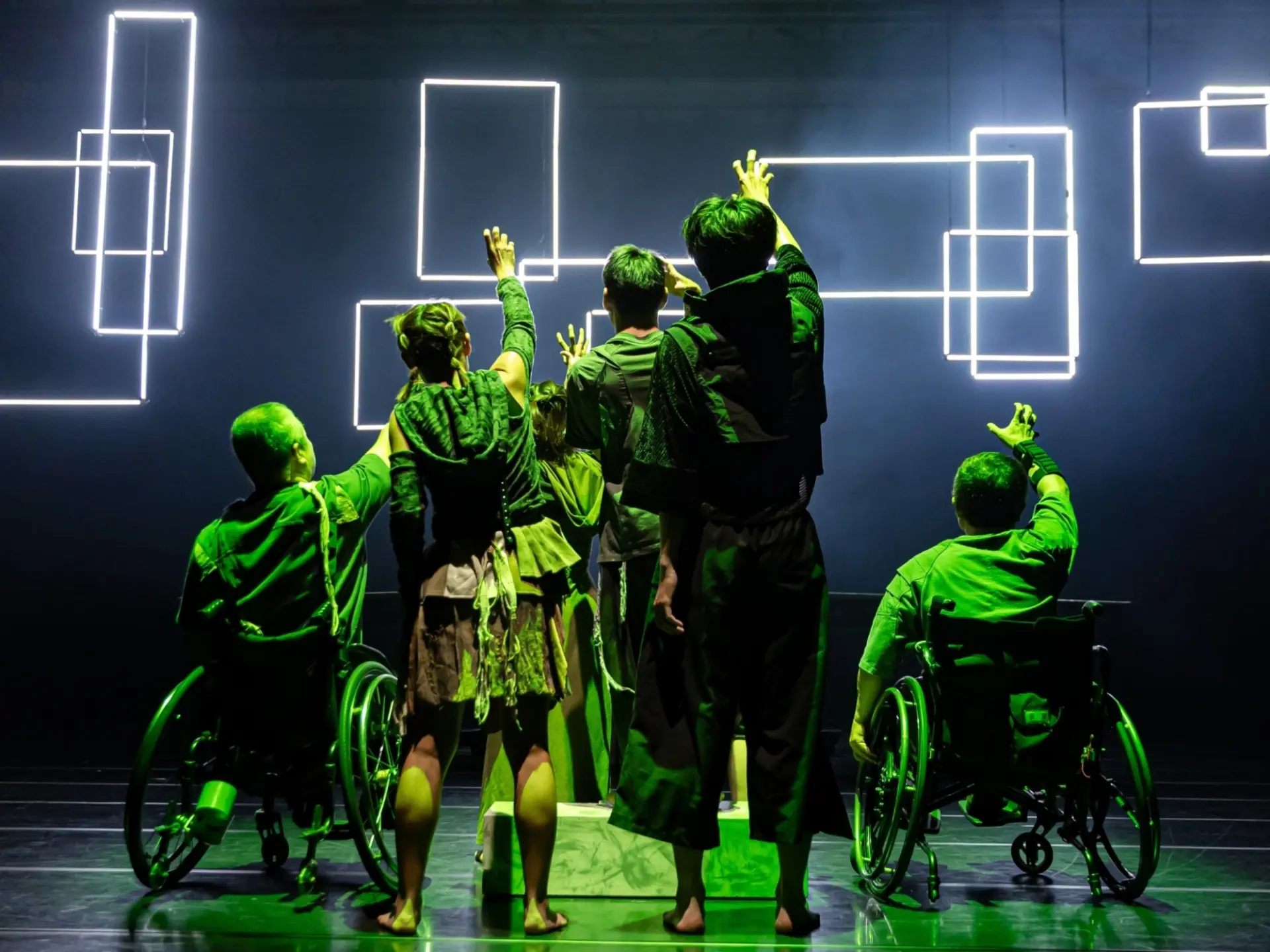
Disabled artists in Taiwan are redefining what dance can be - and John Ross and Paula Whetu Jones, two NZ film makers, are making the film that tells that story. The Eternal City documentary follows Resident Island Dance Theatre through the making of a groundbreaking international performance premiering in November 2026.
Donors
-
Seulki Hwang
All the best!
-
Anonymous
-
Grace Hyeweon Jeon
-
Athena Yuna Read
-
Hina Nasir
Project Updates
Filming Block B - June
I arrived for Block B in the most incredible weather. The sun shone all day and the beautiful green growth of Taiwan welcomed me. However it didn’t last, as I had arrived at the start of the yearly 梅雨 “Plum Rain”.
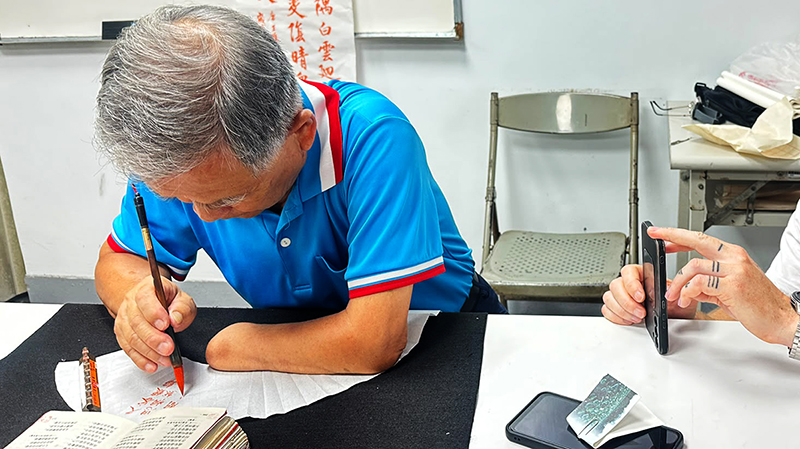
Our camera stayed at home for our first visit. In Taiwanese culture, guanxi (關係) refers to the cultivation of trust, respect, and meaningful relationships built over time. Mr Tsai, a calligrapher, welcomed us into his class and shared his beautiful process with us. I wanted us to learn about his passion for calligraphy, as humans first, documentarians later. Sasa and I also met Ava, who after travelling down from Taipei at 3am, very quickly became a valued member of our team as our fixer/producer on the ground in Taiwan.
Our first interview was with Arwen. An incredible dancer with an amazing heart for others. He opened up more than I had ever imagined and I began to realise then, not only were they offering an insight into their lives, we were offering an outlet to express their deeply held feelings. It was an honorable space to hold.
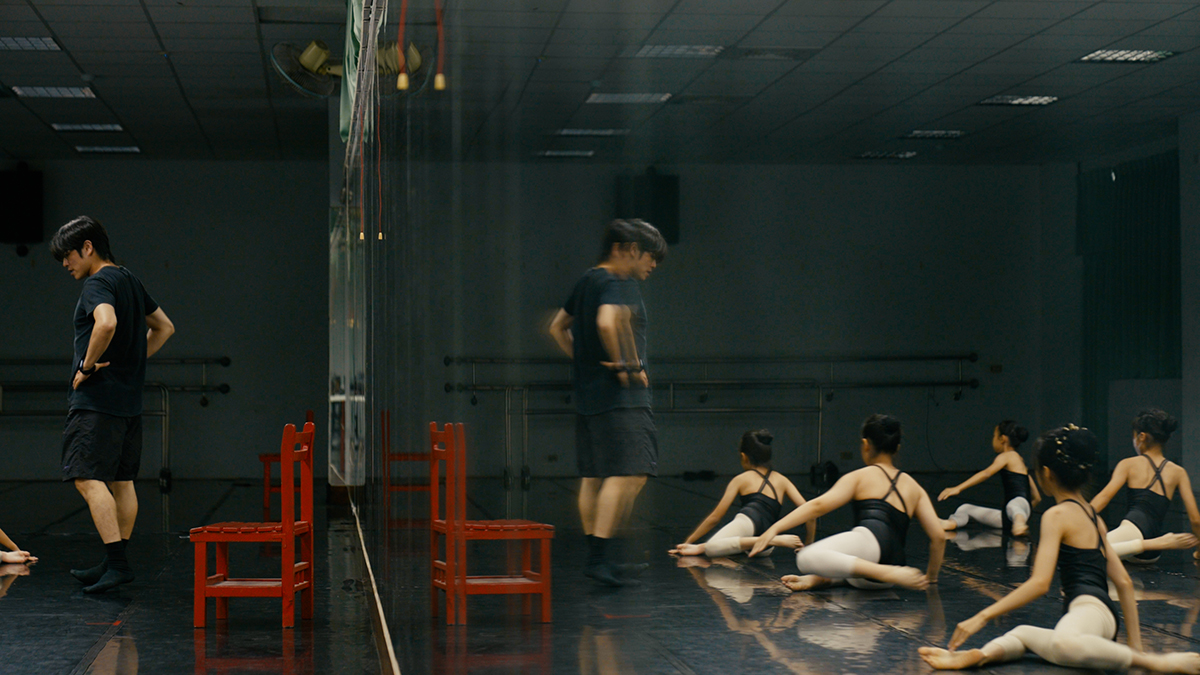
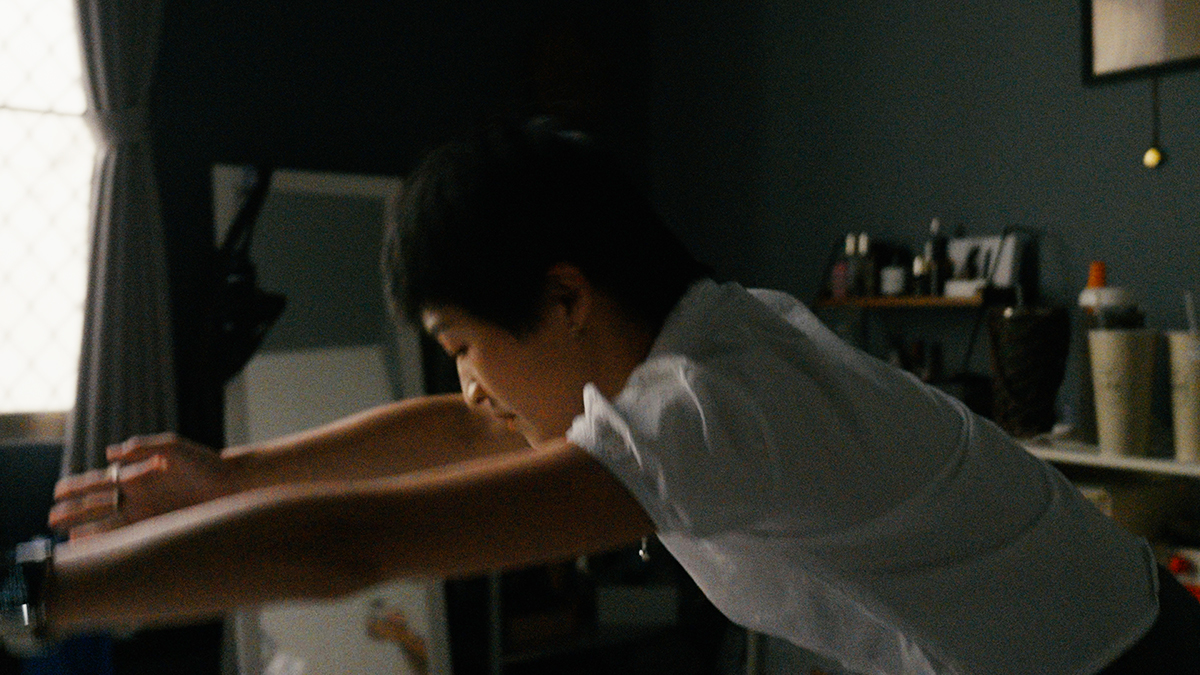
Our second interview was with Jiahun (Emily). After sharing her story with Ava she was asked if she’d like to dance, something she is still finding her way back to after emerging from a coma late last year due to a car accident. What followed was transcendent. There is a Chengyu (成语), 浴火重生 - that can be translated to mean “bathed in fire, reborn”, and in this moment we witnessed the blooming of her self-worth as she danced in her bedroom in the mirror. Her internal transformation has been remarkable to witness since Block A in March.
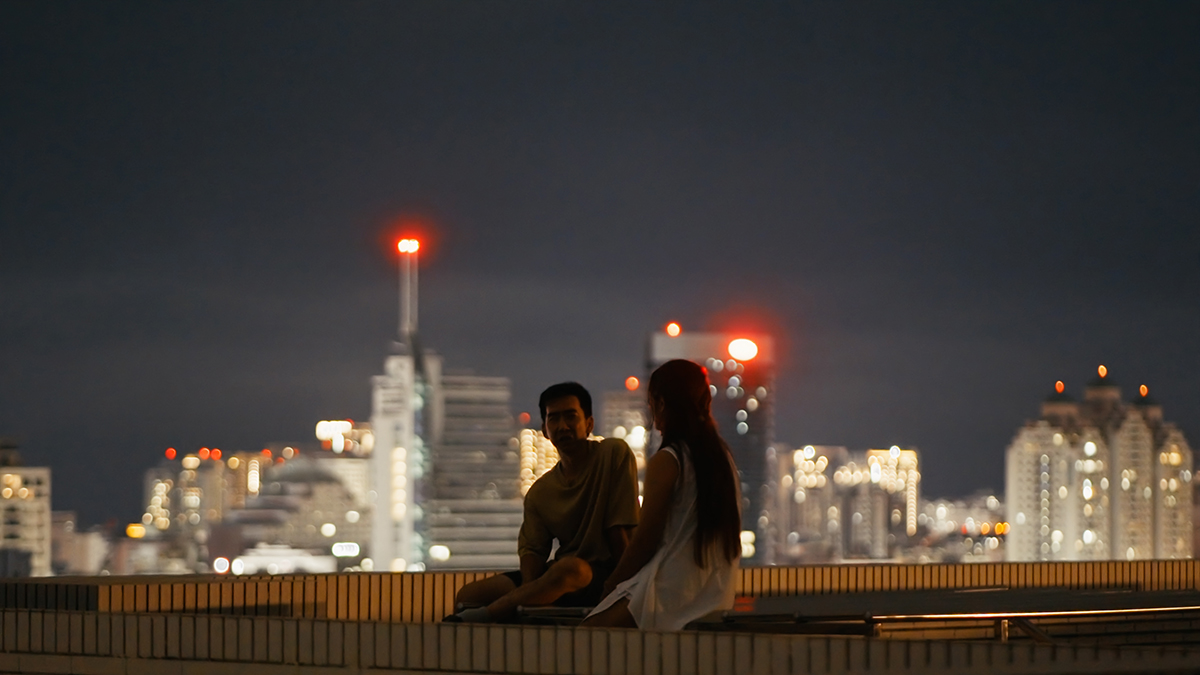
That evening we listened to a conversation between the RIDT founder, Chung An, and RIDT Producer, Sasa Hsiao, where they shared in a quiet conversation about what they had been up against. Social rejection, logistical nightmares, institutional barriers. There were people who told them they couldn’t do it, so they did it anyway.
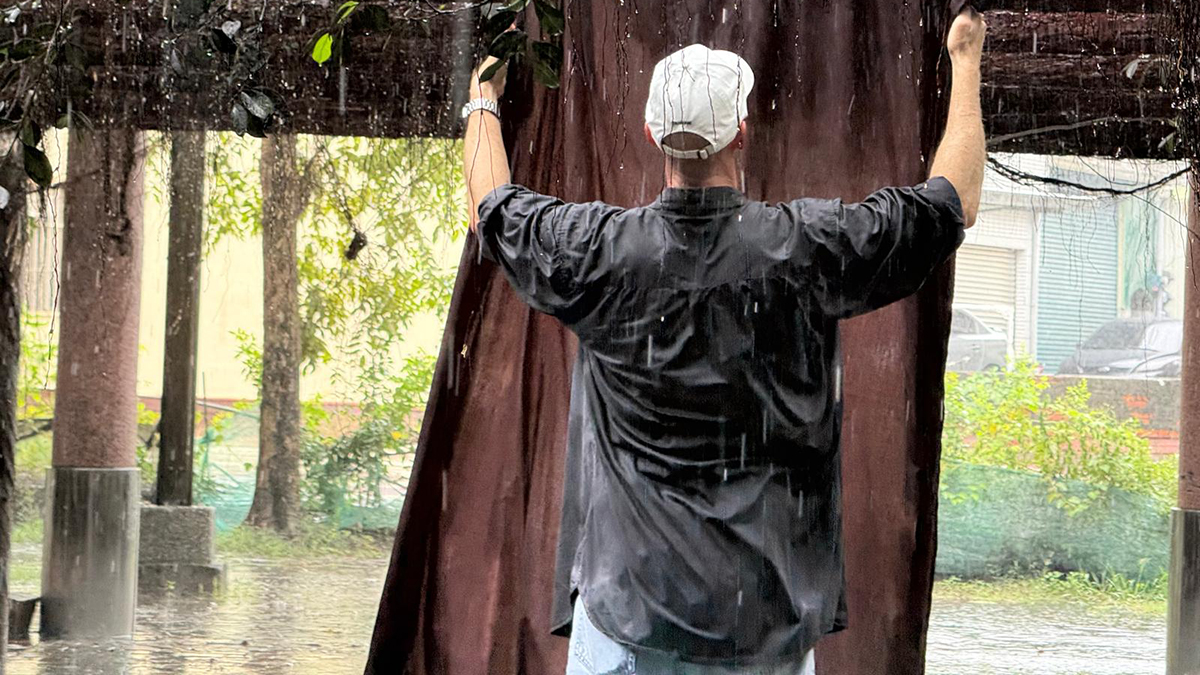
Jiahun had been preparing for a show the coming weekend, she and some of the others had choreographed a show performed by disabled members of the local community, for anyone to come and enjoy. It would be the first show she has participated in since her accident. But the rain was unpredictable. We weren't sure if it would go ahead. So Ava and I prepared for either scenario.
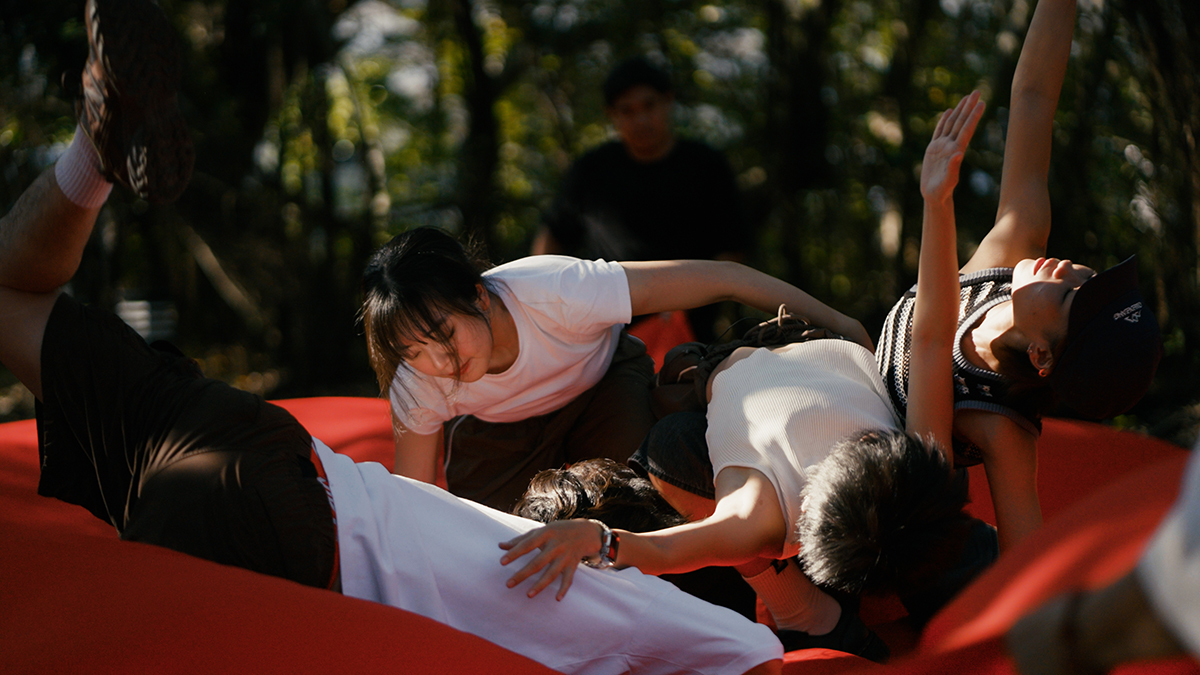
Fortunately the rain cleared and we were able to watch Jiahun in her element, directing the dancers as they put on an incredible performance for the crowd that came out to watch. Once the dance was over and the pressure subsided, Jiahun, now with a renewed confidence in what her body is capable of, entered the middle of a circle and began to dance. What started as a lighthearted moment quickly became an incredibly emotional scene. Jiahun's dance family witnessed her emergence, the fènghuáng rising from the ashes, and one by one they joined her in the circle. Just as Jiahun was learning what her body was now capable of, the dancers were too learning what they could build together.
The following days we interviewed the dancers A Liang, and You-Chen, both wheelchair users, and their parents at their childhood homes. We heard about You-Chen’s determination from a young age, and A Liang revealed to his parents that he is a dancer!
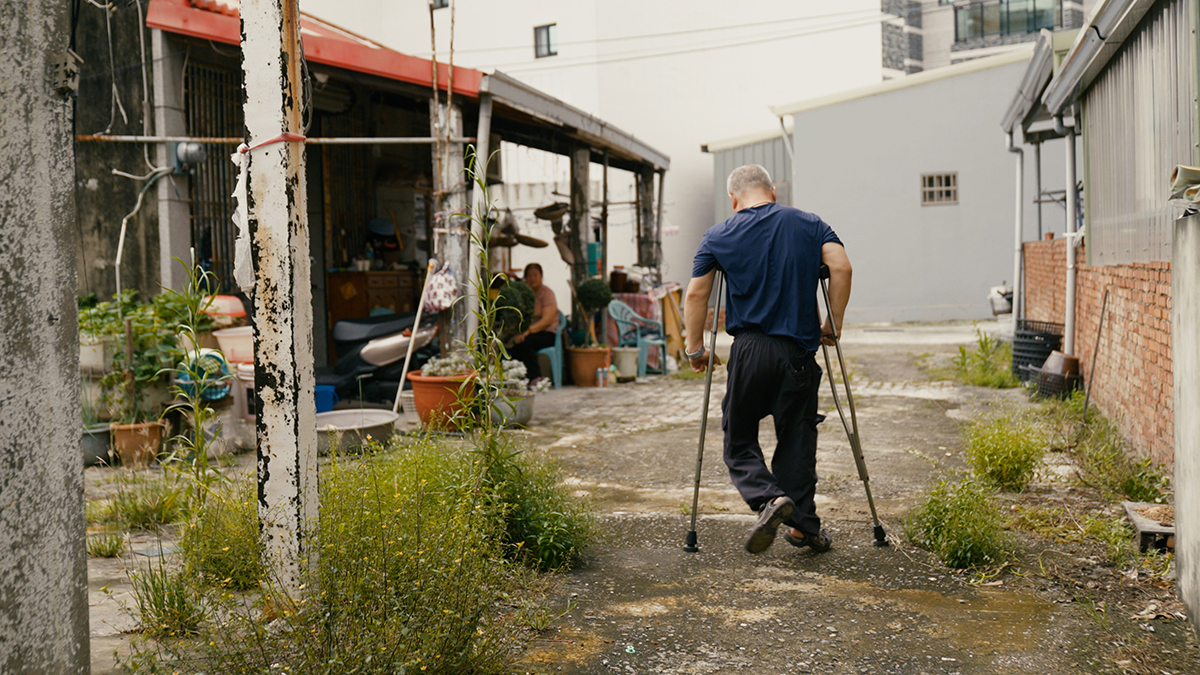
I leave you with an excerpt from Arwen:
“When you have too much freedom – you lose it – the direction you move, might be what you’re already used to.
But when limitation exists, you can actually expand beyond it. Because of that limitation, you can discover and develop a completely new state of the body.
So I don’t think we should call it a limitation, it’s having more freedom.
It’s about creation.”
In the near future we will follow RIDT on a tour of the schools around Taiwan. The very tour where Jiahan once inspired so many school children, I hope to witness her return to the dancers and communities she once inspired, carrying a new understanding of what her body can create. I will also be following Ting-Yen, who has cerebral palsy, as he prepares for the starring role of the end of year show.
Project Owner
Paula Whetu Jones
Other Content You May Be Interested In

We Write
Great Emails
Don't miss out on the arts and creativity in Aotearoa — have the latest news delivered to your inbox

We Write
Great Emails
Meet Our Partners
Principal Partner

Lead Partner

Creative Partner



Arts Business Club

Product Partner








Engagement Partner


Boosted Partner


